
Diocese of Joliet Abuse Lawsuit: 69 Clerics Across Seven Counties

The Illinois Attorney General's 2023 report named 69 clerics with substantiated child sexual abuse claims in the Diocese of Joliet.

  • Free
  • Confidential
  • No police report required
  • No conviction required

You do not need to have reported it, and nobody needs to have been charged. Many of the clerics named in the Attorney General's report were never prosecuted. A civil claim asks a different question: what the institution knew, and what it did about it.

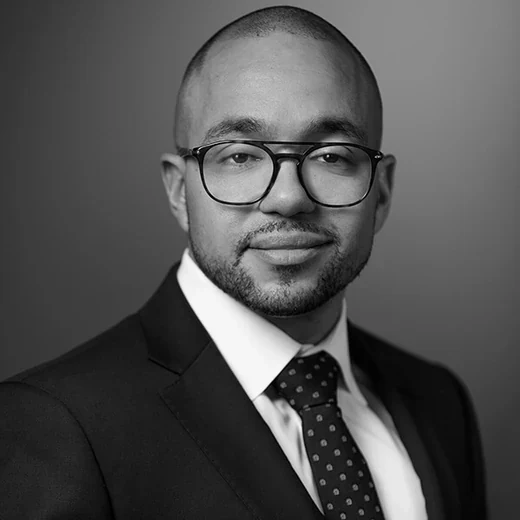
Ervin Nevitt, Esq., sexual abuse lawyer and partner at Coplan + Crane.
Ervin Nevitt · Partner, Coplan + Crane
Illinois bar registration 6319808 · admitted 2014

What the Attorney General found

In May 2023 the Illinois Attorney General concluded a multi-year investigation into child sexual
abuse by Catholic clergy in Illinois. Across the state’s six dioceses the report identified
451 clerics and religious brothers with substantiated claims, and at least
1,997 children abused between 1950 and 2019.

In the Diocese of Joliet, the report named 69 clerics, 15% of the
statewide total. Second only to Chicago in the number of clerics named.

The diocese covers DuPage, Ford, Grundy, Iroquois, Kankakee, Kendall and Will counties.

What that scale means for finding records

Joliet covers the collar counties that grew fastest as Chicago expanded outward, so many of its parishes and schools were founded or expanded within living memory. Personnel records from that period are typically more complete than those of older, smaller dioceses.

You do not need to have reported the abuse at the time, and no criminal case needs to have
happened. Many of the people named in the Attorney General’s report were never charged.

Questions people ask

Will my name be public?

Steps can be taken to protect your identity in the court record, and they are raised before anything is filed.

What does it cost?

Nothing up front. These claims are taken on a contingency fee, so there is no fee if there is no recovery.

What actually happens if you contact us

Nothing is set in motion by asking a question.

  1. You speak to a person

    Not a form, not an intake script. You do not have to describe what happened in order to have the conversation.

  2. We look into who had a duty

    Which institution was responsible, what it knew, what records exist, and whether a claim can still be brought. That work costs you nothing.

  3. You decide

    We tell you plainly what is possible. If you decide not to go ahead, that is the end of it and what you told us stays confidential.

  4. If you go ahead, we carry it

    Filings, deadlines, records and the institution's insurers. Steps can be taken to protect your identity in the court record.

Call (708) 671-6858 Free case review